
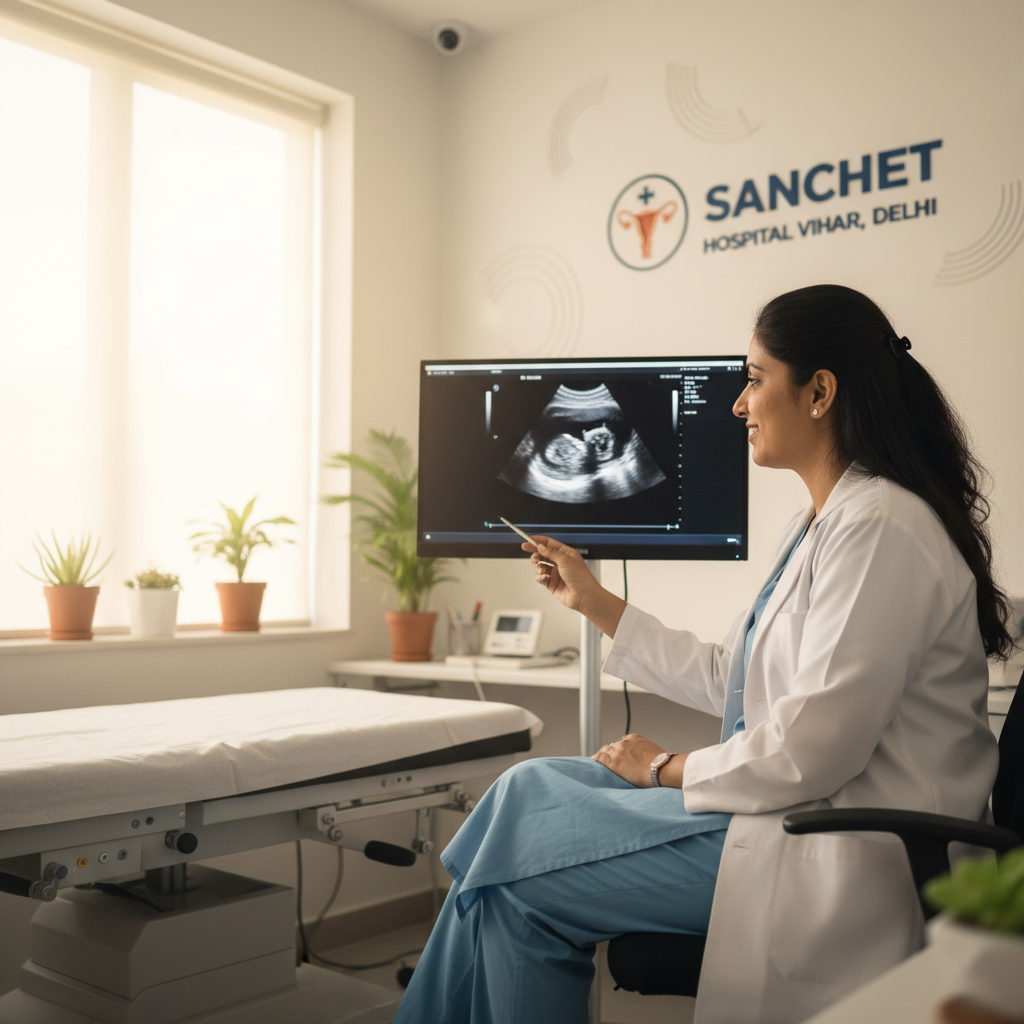
Endometriosis Clinic Delhi: Comprehensive Diagnosis, Treatment & Fertility Care at Sanchet Hospital Understanding Endometriosis: Symptoms, Stages and When to Seek Care — Endometriosis clinic in Delhi At our Endometriosis Clinic Delhi, we begin by explaining what endometriosis is. Endometriosis happens when tissue like the uterine lining grows outside the uterus. This misplaced tissue can cause inflammation, scarring, and painful symptoms. Key symptoms to watch for include: Severe menstrual cramps or pain that limits daily life. Chronic pelvic pain between periods. Painful intercourse (dyspareunia). Heavy or irregular menstrual bleeding. Difficulty conceiving or infertility. Endometriosis is staged I–IV, based on lesion size, location, and adhesions. Early stages may cause significant pain despite few visible lesions. Studies estimate endometriosis affects about 10% of reproductive-age women globally, roughly 247 million women. In India, prevalence estimates range widely, with averages near 18% and some regional studies reporting up to 38% ([Times of India](https://timesofindia.indiatimes.com/home/sunday-times/endometriosis-awareness-need-for-a-comprehensive-health-policy-in-india/articleshow/110853427.cms?utm_source=openai), [Global Reproductive Health](https://journals.lww.com/grh/fulltext/2025/01010/endometriosis_management_in_low_income_and.1.aspx?utm_source=openai), [IJRCOG](https://www.ijrcog.org/index.php/ijrcog/article/view/619?utm_source=openai)). When to seek care: If period pain disrupts work, school, or sleep. If you have persistent pelvic pain or pain during sex. If you face difficulties conceiving — endometriosis is a common cause of infertility ([APN News](https://www.apnnews.com/endometriosis-leading-cause-of-infertility-in-women-due-to-delayed-diagnosis/?utm_source=openai)). Why Choose an Endometriosis Clinic in Delhi — The Sanchet Hospital Difference Choosing our Endometriosis Clinic in Delhi means choosing a multidisciplinary, patient-centered approach. We bring together gynecologists, fertility specialists, pain management experts, and experienced laparoscopic surgeons. What makes us different: Coordinated care — specialists consult together on complex cases. Individualized treatment plans based on symptoms, fertility goals, and imaging. Minimally invasive surgery in our fully equipped Operation Theater, led by surgical consultants. Onsite ultrasound and imaging coordination to speed up diagnosis. Compassionate counseling and clear information through each step. We operate from Paschim Vihar, New Delhi, and prioritize timely care. Delays in diagnosis are common in India, sometimes taking years. Early intervention improves pain control and fertility outcomes ([Business Standard](https://www.business-standard.com/amp/health/endometriosis-symptoms-risks-treatment-india-awareness-diagnosis-delay-125062000261_1.html?utm_source=openai)). If you want to speak with our gynecology team or plan a visit, see our gynecology services: Sanchet Hospital Gynecology. Diagnosis and Tests: Ultrasound, MRI and Diagnostic Laparoscopy Explained — Endometriosis clinic Delhi diagnostics At our Endometriosis Clinic Delhi, accurate diagnosis is essential. We use a combination of clinical evaluation, imaging, and, when needed, diagnostic laparoscopy to map disease extent. Common diagnostic tools we use: Transvaginal and transabdominal ultrasound — first-line imaging for ovarian endometriomas. We offer multiple ultrasound options at our facility, including lower abdomen scans (Ultrasound Lower Abdomen ₹1200) and whole abdomen scans (Ultrasound Whole Abdomen ₹1800). MRI pelvis — helpful for deep infiltrating endometriosis and complex anatomy. MRI clarifies disease in the bowel and bladder walls. Diagnostic laparoscopy — the gold standard. It allows direct visualization and simultaneous biopsy or treatment. Each test gives different information: Ultrasound finds cysts (endometriomas) and suggests adhesions. MRI maps deep lesions involving bowel or bladder. Laparoscopy confirms diagnosis and allows excision if needed. Delays in diagnosis are common in India. Early use of imaging and laparoscopy helps avoid long-term consequences such as worsened pain and reduced fertility ([Global Reproductive Health](https://journals.lww.com/grh/fulltext/2025/01010/endometriosis_management_in_low_income_and.1.aspx?utm_source=openai)). Treatment Options: Medical Management, Laparoscopic Excision, Pain Control and Fertility Support — Endometriosis clinic in Delhi treatments At our Endometriosis Clinic in Delhi, treatment is tailored to your symptoms and fertility goals. We balance pain control, hormonal suppression, and surgical removal when needed. Treatment options we offer: Medical management — pain relief with NSAIDs and symptomatic care. Hormonal therapies — combined oral contraceptives, progestins, and GnRH analogues to reduce lesion activity. Minimally invasive laparoscopic excision — targeted removal of lesions and adhesions to relieve pain and improve fertility. Fertility support — fertility-preserving surgery, ovarian reserve assessment, and assisted reproductive technologies including IVF support when indicated. Pain management programs — physiotherapy, nerve blocks, and multidisciplinary pain clinics. Why excision surgery? Excision removes disease tissue, not just drainage. It reduces recurrence and often improves pain and fertility outcomes. Endometriosis is a leading cause of infertility when diagnosis is delayed. We coordinate with fertility specialists to time surgery and assisted reproduction for the best outcomes ([APN News](https://www.apnnews.com/endometriosis-leading-cause-of-infertility-in-women-due-to-delayed-diagnosis/?utm_source=openai)). Patient Journey: Appointments, Recovery, Follow-up Care and Frequently Asked Questions — Endometriosis clinic Delhi patient care Your journey at our Endometriosis Clinic Delhi is structured and supportive. We guide you from first consultation to long-term follow-up and fertility planning. How to book and practical details OPD hours: Monday to Saturday, 10:00 AM to 8:00 PM. We are closed Sundays. Our gynaecologist, Dr. Suneeta Agarwal, is available Monday to Friday 10:00 AM–1:00 PM and 6:00 PM–7:00 PM. Saturday 10:00 AM–1:00 PM. Walk-ins are welcome during OPD hours. Virtual consultations are available — call 011-43106000 to schedule. Location: 436 Bhera Enclave, Paschim Vihar, New Delhi. Google Maps: https://maps.app.goo.gl/DneEaqyzU2eXW3E56 Insurance: We accept HDFC Ergo and Aditya Birla. Cashless claims available for these insurers. Recovery and follow-up Laparoscopic recovery typically takes 1–2 weeks for light activity. Return to work depends on job demands and surgical extent. We schedule follow-ups at 2 weeks, 6 weeks, and as needed for fertility planning. We coordinate lab tests through Lal Path Labs and imaging at our facility. FAQs and support Do I need an appointment? You can come during OPD hours or book a virtual visit. Can you perform ultrasounds? Yes — we offer a range of ultrasound scans onsite. Who do I call for queries? Main number: 011-43106000. We understand endometriosis can be emotionally and physically challenging. Our team supports you with clear information, realistic expectations, and coordinated fertility care. For more on our gynecology services and consultations, visit: https://sanchethospital.com/gynecology/.

Female Gynecologist Near Me Paschim Vihar
Female Gynecologist Near Me Paschim Vihar — Trusted Care at Sanchet Hospital Why choose a female gynecologist in Paschim Vihar? Comfort, communication and cultural considerations Searching for a “Female Gynecologist Near Me Paschim Vihar” often comes down to comfort and trust. Many women feel more at ease discussing intimate concerns with a female doctor. That ease encourages open communication, which helps doctors diagnose problems sooner and create tailored care plans. Research shows female gynecologists often provide higher levels of empathy and compassion. This creates stronger doctor-patient relationships and improved outcomes. For more on the benefits, see this overview: Benefits of Choosing a Female Gynecologist. Emotional comfort for sensitive topics and exams. Clearer communication about menstrual, sexual, and reproductive health. Cultural and privacy sensitivity for conservative families. More likely to discuss preventive screening and lifestyle changes. Better long-term trust for pregnancy, fertility, and menopause care. At Sanchet Hospital in Paschim Vihar, choosing a female gynecologist can mean consistent, compassionate care across life stages. This matters whether you need routine screening or pregnancy support. Comprehensive women’s health services at Sanchet Hospital — antenatal care, gynecology, family planning and menopause support Sanchet Hospital provides a wide range of women’s health services in Paschim Vihar. If you search for a “female gynecologist Paschim Vihar”, you will find services spanning routine care to complex pregnancy management. Sanchet lists its services on-site: Sanchet Hospital — services. Antenatal care and monitoring, including early pregnancy ultrasound and routine scans. High-risk pregnancy management and delivery services, including C-section support. Infertility evaluation and counseling with stepwise investigations. Menstrual and hormonal disorder evaluation and treatment. Family planning, contraception counseling, and sterilization guidance. Screening tests: Liquid PAP smear and cervical screening. Minimally invasive procedures and gynecologic surgeries as needed. Sanchet’s OPD includes gynecology consultation, early pregnancy scans, Level 2 second‑trimester scans, and PAP testing (see their services list). Regular gynecology visits help with prevention and early detection. For why regular visits matter, see: What is a Gynecologist?. What to expect at your first appointment with a female gynecologist — documents, examinations, and privacy practices When you book a “female gynecologist near me” appointment at Sanchet Hospital, the first visit focuses on history, trust, and privacy. Expect a careful but friendly process designed to put you at ease. Initial discussion: medical, menstrual, sexual, and surgical history. Bring: government ID, any prior reports/ultrasounds, list of medicines, and insurance card. Vital checks: weight, blood pressure, and general health assessment. Breast exam and pelvic exam if indicated. The doctor will explain every step. Non-invasive tests may be ordered: CBC, urine tests, or ultrasound. Clear explanation of findings and next steps, with time for questions. Privacy and dignity are priorities at Sanchet Hospital. Staff provide a private examination room, same‑gender chaperone if requested, and personalized care plans. For a concise guide about what gynecologists do during exams, see: Physicians for Women — Guide. Check OPD timings for Dr. Suneeta Agarwal before visiting: Monday–Friday 10:00–13:00 and 18:00–19:00; Saturday 10:00–13:00. Call 011-43106000 to confirm availability. How to find a ‘female gynecologist near me’ in Paschim Vihar — location, appointment booking, insurance and teleconsultation options Finding a trusted female gynecologist near Paschim Vihar is straightforward with Sanchet Hospital. The hospital is centrally located at 436 Bhera Enclave, Paschim Vihar. See the Google Maps link here: Sanchet Hospital on Google Maps. Walk‑in OPD: Sanchet is open Monday–Saturday 10:00–20:00. Check gynecology hours before coming. Virtual consultations: phone and video appointments are available. Call 011-43106000 to book. Insurance and cashless claims: Sanchet accepts HDFC Ergo and Aditya Birla. Confirm policy specifics before treatment. On‑site diagnostics: ultrasounds (early pregnancy, NT/NB, Level 2), X‑ray, and Lal Path Labs partnership for blood tests. Logistics: on‑site pharmacy 24/7 and front parking for convenience. Steps to book or find a doctor: Decide whether you prefer in‑person or virtual visit. Call 011-43106000 to confirm the female gynecologist’s timing or to request a teleconsult. Bring necessary documents and reports for smooth registration. Confirm insurance cashless options at reception before admission. For location reference and local listings, see this local listing: JustDial — Sanchet Hospital. Patient testimonials, common FAQs and how to contact Sanchet Hospital for consultations and emergencies Many patients appreciate Sanchet Hospital for compassionate female gynecology care, timely scans, and clear explanations. While testimonials vary, common praise includes friendly staff, quick lab access, and comprehensive antenatal support. Typical patient feedback themes: Comfort with female doctors and empathetic communication. Convenient Paschim Vihar location and easy access to scans. Efficient OPD and helpful nursing staff. Common FAQs (quick answers) What are gynecologist OPD timings? — Dr. Suneeta Agarwal: Mon–Fri 10:00–13:00, 18:00–19:00; Sat 10:00–13:00. Sunday closed. Do you offer virtual consultations? — Yes. Call 011-43106000 to book. What insurances are accepted? — HDFC Ergo and Aditya Birla; cashless claims available for these. Do you provide delivery and C-section? — Yes. Please consult the gynecologist for details. How to get lab reports? — Download from Lal Path Labs portal: Lal Path Labs. Contact & emergency guidance Main phone: 011-43106000 (confirm doctor availability before visiting). Address: 436 Bhera Enclave, Paschim Vihar, New Delhi. Maps: Open in Google Maps. For pregnancy complications: visit the gynecology OPD during listed hours or call reception immediately. Emergency gynecologist visit outside hours is available; extra charges apply. For more details or to learn about specific services, please visit Sanchet Hospital’s service page: Sanchet Hospital — Services. We’re here to help you find the right female gynecologist near Paschim Vihar and ensure comfortable, confidential care.

Best PCOS Doctor in Delhi
Best PCOS Doctor in Delhi | Expert PCOS Care at Sanchet Hospital, Paschim Vihar Understanding PCOS: symptoms, causes and long-term health impact — best PCOS doctor in Delhi The phrase best PCOS doctor in Delhi is what many patients search when symptoms first appear. PCOS, or Polycystic Ovary Syndrome, is an endocrine disorder common in women of reproductive age. Typical signs include irregular periods, weight gain, acne, and excess facial or body hair. Ultrasound may show multiple small ovarian follicles. These facts are summarized by MediFind in an accessible guide: Living with PCOS: Understanding symptoms. PCOS varies widely. Some women mainly struggle with infertility. Others face metabolic issues like insulin resistance. Over time, untreated PCOS raises risks for type 2 diabetes, heart disease, and endometrial cancer. The MediFind piece highlights these long-term concerns. Common contributors include genetics, hormonal imbalances, and lifestyle factors. The condition often requires combined care from gynecology, endocrinology, nutrition, and mental health. The Better Health Channel recommends a multidisciplinary approach to address the syndrome’s many effects. Early recognition helps reduce long-term risk. If you notice irregular cycles or sudden hair growth, consider seeing a specialist. A timely, comprehensive plan can improve symptoms and future health. What makes the best PCOS doctor in Delhi: qualifications, multidisciplinary approach and patient-centred care When looking for the best PCOS doctor in Delhi, focus on qualifications and collaborative care. A top specialist often has these credentials: MBBS and MD/DM or DGO in gynecology or endocrinology. Fellowships or advanced training in reproductive medicine or endocrinology. Experience managing PCOS across ages and fertility goals. Beyond degrees, the approach matters. The best doctors work with a multidisciplinary team. Expect coordinated input from: Gynecologists and reproductive endocrinologists. Endocrinologists for metabolic issues. Clinical dietitians and exercise physiologists. Mental health professionals for anxiety or depression. Patient-centred care means personalized treatment plans. A good clinician listens, explains test results clearly, and sets realistic goals. They offer options, not one-size-fits-all fixes. Communication should be empathetic and jargon-free. Practical signs of quality care include clear follow-up plans, outcome tracking, and easy access for questions. If fertility matters to you, select a doctor with IVF and ovulation induction experience. These elements define a top PCOS specialist in Delhi. PCOS diagnosis and treatment options at Sanchet Hospital — tests, medical therapies, fertility support and lifestyle programmes Sanchet Hospital in Paschim Vihar provides a full PCOS care pathway. Diagnosis starts with a detailed history and physical exam. Tests typically include: Hormonal blood panels (LH, FSH, testosterone, prolactin, TSH). Fasting glucose and insulin levels to check insulin resistance. Transvaginal or pelvic ultrasound to view ovarian follicles. Treatment is tailored to symptoms and goals. Medical therapies offered include: Combined oral contraceptives to regulate cycles and reduce androgen symptoms. Anti-androgens for severe hirsutism and acne. Metformin for insulin resistance and metabolic control. Ovulation induction agents when fertility is a priority. Sanchet’s fertility support covers ovulation monitoring, timed intercourse guidance, and assisted reproductive techniques when needed. Lifestyle programmes are central. The hospital provides diet plans, supervised exercise regimens, and weight-management support. Mental health care is integrated, addressing anxiety and body-image concerns. This comprehensive, team-driven model follows the multidisciplinary recommendations described by the Better Health Channel. Accurate testing paired with personalised therapy gives the best chance for symptom control and healthier long-term outcomes. Patient journeys and success stories: real outcomes, expectations and emotional support — best PCOS doctor in Delhi Hearing real patient stories helps set realistic expectations when searching for the best PCOS doctor in Delhi. Many women find major improvements within months of starting care. Typical success snapshots include: Restored regular cycles after combined medication and lifestyle changes. Improved acne and hair reduction following anti-androgen therapy. Pregnancies achieved with ovulation induction or timed IVF support. Weight loss of 5–10% with structured diet and exercise plans, improving metabolic markers. Emotional challenges are common. Patients often report relief when providers validate their concerns. Sanchet Hospital emphasizes counselling and support groups. These resources reduce isolation and improve adherence to treatment plans. It helps to know outcomes vary. Some women need long-term medical therapy to control symptoms. Others may require stepwise fertility treatments. Transparent discussions about timelines and likely results build trust. Ask your specialist for patient testimonials and outcome data. A clinic that shares real results and recovery stories shows confidence in its approach. Emotional support is as important as clinical care in successful PCOS management. Finding and booking the right PCOS specialist in Paschim Vihar, Delhi: appointments, insurance, teleconsultation and FAQs Finding the right PCOS specialist near Paschim Vihar is easier with a practical plan. Start by checking credentials and the clinic’s services. Sanchet Hospital offers in-person and teleconsultation options for follow-up visits. Here are simple steps to book and prepare: Confirm the doctor’s qualifications and PCOS experience. Check whether the hospital accepts your insurance or offers cashless billing. Book an initial consult—many clinics let you reserve online or by phone. Prepare basic medical records, cycle history, and current medications. Insurance tips: Call your insurer to confirm coverage for consultations and tests. Ask if pre-authorisation is needed for procedures like ultrasounds or IVF. Keep receipts and detailed bills for claims. Teleconsultations are handy for medication adjustments and follow-ups. For first visits, in-person exams and ultrasound may be required. Common FAQs: How soon will I see improvement? Many see changes within 3 months, depending on the plan. Is PCOS curable? There’s no cure, but symptoms can be well controlled. Will I be able to conceive? Many women with PCOS can conceive with tailored fertility care. For appointments at Sanchet Hospital, call the outpatient desk or visit their website. Clear communication, team-based care, and accessible follow-up make finding the best PCOS doctor in Delhi achievable.

PCOS Clinic Near Me in Paschim Vihar
PCOS Clinic Near Me in Paschim Vihar, New Delhi — Expert Care at Sanchet Hospital Understanding PCOS: Symptoms, Causes and Long-term Risks — looking for a PCOS clinic near me If you’ve been googling “PCOS clinic near me,” it helps to know what PCOS (polycystic ovary syndrome) actually looks like and why timely, local care matters. PCOS is a common endocrine disorder in women of reproductive age that combines menstrual irregularities, signs of excess androgens, and characteristic ovarian changes. The Eunice Kennedy Shriver National Institute of Child Health and Human Development lists typical signs such as irregular or absent periods, hirsutism (excess facial or body hair), severe acne, and male-pattern hair loss — along with metabolic features like insulin resistance and central weight gain (NICHD). Clinically, the Rotterdam criteria are widely used to diagnose PCOS: at least two of elevated androgens, ovulatory dysfunction, or polycystic ovaries on ultrasound (UPMC). Left unmanaged, PCOS increases long-term risks such as type 2 diabetes, cardiovascular disease, and impacts fertility and mental health. Research shows that modest weight loss — even around 5% of body weight — can improve insulin sensitivity and restore more regular cycles (BMC Medicine). Knowing these core features makes your conversations with a local PCOS clinic much more productive — you’ll be able to describe symptoms, understand diagnostic tests, and set realistic treatment goals with your care team. Why Choose a Local PCOS Clinic Near Me — Benefits of Nearby, Continuity & Rapid Care in Paschim Vihar Choosing a nearby PCOS clinic in Paschim Vihar gives you practical advantages that matter for a chronic, multi-faceted condition like PCOS. Local care supports continuity: you see the same team, build trust, and the clinic already understands local referral patterns and lab services. Quick access matters when you need prompt blood tests, ultrasounds, or a change in medication. Key benefits of a local, specialised PCOS clinic: Continuity of care — consistent follow-up with the same gynecologist/endocrinologist team Faster testing and results — timely ultrasound and blood work for hormones, glucose, and lipids Multidisciplinary approach nearby — easier coordination with nutritionists, mental health professionals, and fertility specialists (Healthcare Business Club) Real-time lifestyle support — local dietitians and physiotherapists who can design sustainable plans Support network — easier in-person support groups and group counseling For New Delhi residents, a Paschim Vihar clinic reduces travel stress and missed appointments — small conveniences that add up and improve outcomes for a condition that benefits from frequent touchpoints and behavioural support. PCOS Services at Sanchet Hospital: Diagnosis, Medical Treatment, Fertility Support, Diet & Lifestyle Counselling — a trusted PCOS clinic near me Sanchet Hospital in Paschim Vihar offers the kind of comprehensive, women-centered PCOS care people search for when they type “PCOS clinic near me.” The hospital’s model focuses on accurate diagnosis, medical management, fertility support, lifestyle counselling, and mental health — all coordinated by a multidisciplinary team. Diagnosis typically includes: Hormonal blood tests: total/free testosterone, LH/FSH, TSH, prolactin, fasting glucose and insulin Pelvic/transvaginal ultrasound to look for polycystic ovarian morphology Clinical assessment for hirsutism, acne, and weight distribution Medical options commonly used at Sanchet align with international guidance: metformin for insulin resistance and cycle regulation; ovulation induction with clomiphene citrate or letrozole for fertility; and targeted treatments for acne and hirsutism (Mayo Clinic, Medosis Health). Beyond medication, Sanchet emphasizes diet, exercise and behavioural care. Dietitians create individualized meal plans; physiotherapists and trainers recommend safe exercise regimes (including HIIT where appropriate) that can support weight loss and mental health (UPMC). Mental health services — counselling and CBT — are available to address anxiety or depression linked to PCOS. The goal: an integrated plan that balances fertility goals, metabolic health and long-term well-being. What to Expect at Your First Visit to a PCOS clinic near me: Tests, Consultation, Personalized Treatment Plan and Follow-up Your first visit at a PCOS clinic near you—like Sanchet Hospital—will focus on gathering a clear picture of your health, establishing diagnoses, and planning next steps. Expect a thorough history: menstrual cycle patterns, weight history, fertility goals, medications, and any family history of diabetes or heart disease. Bring a written menstrual calendar and a list of current medicines as recommended by the Mayo Clinic (Mayo Clinic). Typical tests ordered at the first or early visits include: Blood tests: fasting glucose, fasting insulin, lipid profile, total/free testosterone, LH/FSH, TSH, prolactin Pelvic ultrasound to assess ovarian morphology Physical exam: BMI, waist circumference, signs of excess androgens After results, your clinician will discuss a personalised treatment plan covering: Immediate symptom management (irregular menses, acne, hirsutism) Metabolic risk reduction (diet, exercise, possible metformin) Fertility pathway if pregnancy is a goal (ovulation induction, referral to reproductive specialist) Mental health and weight-management referrals Follow-up is typically scheduled within 6–12 weeks to review labs and response to initial interventions. Sanchet’s team will map out measurable goals—cycle regulation, glucose targets, weight milestones—so you know what to expect and when to escalate care. Choosing the Right PCOS Clinic & How to Book at Sanchet Hospital (appointments, teleconsults, insurance tips) — find the best PCOS clinic near me When deciding on a “PCOS clinic near me” in Paschim Vihar, use practical criteria to compare options. Look for a clinic offering multidisciplinary care (gynecology, endocrinology, nutrition, mental health) and personalised plans; these are markers of quality care (Healthcare Business Club). Checklist to choose a clinic: Multidisciplinary team and in-house diagnostics Experience with fertility treatments if you plan pregnancy Accessible follow-up care and group/support options Teleconsult availability for routine check-ins Transparent pricing and insurance support How to book at Sanchet Hospital (simple steps): Visit Sanchet Hospital’s official website or call the appointment desk to book an outpatient consultation (phone details available on their website). Ask about teleconsult options if travel is difficult—many clinics now offer video follow-ups for routine reviews. Check insurance: confirm whether the hospital accepts your cashless claim or if pre-authorisation is needed for investigations. Prepare documents: ID, past medical records, list of medicines, menstrual history and any prior ultrasound or lab reports. Before your visit,

Endometriosis Doctor Near Me
Endometriosis Doctor Near Me — Expert Care at Sanchet Hospital, Paschim Vihar Understanding Endometriosis: Symptoms and When to Search for an “Endometriosis Doctor Near Me” Looking for an endometriosis doctor near me is often the first step when pelvic pain or menstrual problems start affecting daily life. Endometriosis happens when tissue similar to the uterine lining grows outside the uterus, typically in the pelvis, and it can cause a wide range of symptoms that vary by person. Common warning signs that warrant specialist evaluation include: Painful menstrual cramps that worsen over time (dysmenorrhea) — a hallmark symptom (Brigham & Women’s). Chronic pelvic pain that may radiate to the back or legs. Pain during or after sex (dyspareunia). Bowel or urinary symptoms around periods — bloating, constipation, diarrhea, painful urination or bowel movements (Brigham & Women’s). Fertility problems or difficulty conceiving. If symptoms interfere with work, relationships, sleep or fertility, it’s reasonable to search for a specialist. Early evaluation improves options for pain relief and fertility planning. Endometriosis Doctor Near Me: Why Choose Sanchet Hospital? If you’re typing “endometriosis specialist near me” from West Delhi or Paschim Vihar, Sanchet Hospital is a local option with dedicated gynecology services and around-the-clock care. The hospital offers obstetrics and gynecology services, pain management and surgical options suitable for endometriosis patients (Practo — Sanchet Hospital). Reasons many patients consider a local center like Sanchet: Access to experienced gynecologists trained in minimally invasive techniques — key for endometriosis surgery. Availability of diagnostic imaging and laparoscopy under one roof, reducing delays in diagnosis. Fertility counseling and referral pathways for assisted reproductive services when needed. 24/7 hospital services for urgent pain, procedures or post-op care (Practo). Choosing a local, multidisciplinary team shortens the path from symptom recognition to treatment, and allows follow-up care — pain management, hormonal therapy or fertility support — close to home. Diagnosis Explained: Clinical Exam, Imaging (USG/MRI) and the Role of Diagnostic Laparoscopy — find an “Endometriosis Doctor Near Me” for accurate diagnosis To find an accurate diagnosis you’ll often start by searching “endometriosis doctor near me” and booking a specialist visit. Diagnosis is stepwise: a focused clinical exam, targeted imaging, and—when needed—diagnostic laparoscopy for confirmation. Key diagnostic steps: Pelvic examination to feel for masses, tender areas or nodules (first-line evaluation; see Dignity Health). Transvaginal ultrasound (USG) to detect endometriomas (ovarian cysts) and assess pelvic anatomy. A skilled sonographer improves detection of deep lesions (EndoFound). MRI when ultrasound is inconclusive or to map complex disease before surgery—valuable for planning (EndoFound). Diagnostic laparoscopy: the gold standard for definitive diagnosis, allowing direct visualization and biopsy of implants; it’s both diagnostic and often therapeutic (Johns Hopkins). Expect your specialist to tailor tests to your symptoms and reproductive plans: imaging first in many cases, with laparoscopy if symptoms persist or imaging shows lesions requiring removal. Treatment Options at Sanchet: Medical Management, Minimally Invasive Surgery, Fertility Care and Pain Relief — endometriosis treatment near me Searching “endometriosis treatment near me” should present a spectrum of options because management depends on pain severity, disease extent, and fertility goals. Sanchet Hospital provides conservative and surgical choices suitable for different needs. Common treatment pathways include: Medical therapy: NSAIDs for symptomatic relief; hormonal treatments (combined oral contraceptives, progestins, GnRH analogues) to reduce menstruation and lesion activity (Dignity Health). Minimally invasive (laparoscopic) surgery to excise or ablate endometriotic implants and remove endometriomas—improves pain and can enhance fertility outcomes when performed by experienced laparoscopic surgeons (Brigham & Women’s). Fertility-focused care: surgical fertility-sparing procedures, ovulation support, and referral to assisted reproductive technologies if needed. Comprehensive pain management: physiotherapy, pelvic floor therapy, lifestyle strategies (exercise, diet), and coordinated analgesic plans. At Sanchet, the goal is individualized care — combine medical suppression, targeted surgery, and supportive therapies based on your priorities. Finding an “Endometriosis Doctor Near Me”: Booking a Consultation, What to Expect, Insurance and FAQs When you search “endometriosis doctor near me” and choose Sanchet Hospital, here’s how to prepare and what to expect at your first visit. To book, you can contact Sanchet Hospital via their Practo listing (Sanchet Hospital — Practo) or call the hospital directly from that page. How to prepare for your consultation Bring a detailed symptom diary: pain timing, intensity, relation to cycle, bowel/urinary symptoms. Bring past reports: ultrasound/MRI images, prior surgical notes, medication list. Prepare questions: fertility plans, treatment trade-offs, recovery time for laparoscopy. What happens at the first visit Focused history and pelvic exam. Recommendation for imaging (USG/MRI) or blood tests if not already done. Discussion of medical vs surgical options and a plan tailored to symptoms and fertility goals. Insurance, costs and appointments Coverage varies — check your insurer for consultation, imaging and surgery coverage; Sanchet’s admin can help pre-authorize procedures. Ask the hospital about package options for imaging plus consultation if you need consolidated billing. Quick FAQs Q: Can endometriosis be cured? A: There’s no universal cure, but surgery and medical therapy can control symptoms and improve fertility (Brigham & Women’s). Q: Is laparoscopy necessary? A: Not always. Imaging and symptoms guide the need; laparoscopy is the diagnostic gold standard (Johns Hopkins). Q: Will surgery affect fertility? A: Properly performed fertility-sparing surgery often improves chances of conception. Urgent concerns — when to seek immediate care Severe, sudden pelvic pain unresponsive to analgesics. High fever, heavy vaginal bleeding, fainting, or signs of infection after a procedure. If you experience these, visit the emergency department at Sanchet Hospital or call emergency services immediately. If you live in Paschim Vihar or West Delhi and are searching for an “endometriosis doctor near me,” booking an assessment at Sanchet Hospital can get you started on a personalized plan — from diagnosis (USG/MRI, laparoscopy) to medical care, minimally invasive surgery and fertility support. For appointments and more information, see Sanchet Hospital’s Practo page: https://www.practo.com/delhi/hospital/sanchet-hospital-paschim-vihar. References: Brigham & Women’s (link), Dignity Health (link), EndoFound (link), Johns Hopkins (link), Sanchet Hospital (Practo) (link).

PCOS Symptoms: Early Signs and Diagnosis
Recognizing PCOS: Common and Lesser-Known Symptoms Polycystic Ovary Syndrome (PCOS) presents with a broad spectrum of signs — some obvious, others easily missed. The most common and visible PCOS symptom is menstrual irregularity: cycles that are infrequent (oligomenorrhea), very light, or absent (amenorrhea). Many women also notice excess androgen effects — hirsutism (coarse hair on the face, chest, abdomen), persistent acne, and male-pattern hair thinning (androgenic alopecia). Weight gain, especially central (around the waist), and difficulty losing weight are frequent because of underlying insulin resistance. Less-obvious clues include acanthosis nigricans (dark, velvety patches behind the neck or in the groin), persistent pelvic pain, heavy bleeding when periods occur, and sleep problems such as snoring or daytime tiredness. Mood changes — anxiety and depression — are common and often under-recognized. Fertility issues due to anovulation are another presenting problem for many women trying to conceive. Imaging may show “polycystic” appearing ovaries, but this alone does not confirm PCOS — diagnosis relies on a constellation of features. In India, PCOS is common: a systematic review reported an overall prevalence around 11.34% using the Rotterdam criteria (see https://www.cureus.com/articles/126192-prevalence-of-polycystic-ovarian-syndrome-in-india-a-systematic-review-and-meta-analysis.pdf). Regional studies vary widely (3.7–36%), so awareness matters locally in Paschim Vihar and New Delhi. Early recognition reduces long-term risks like diabetes and heart disease, so noticing even mild or intermittent symptoms should prompt evaluation. If you’ve had persistent cycle changes, new facial hair, worsening acne, or unexplained weight gain, consider a medical review — early care makes a meaningful difference. Why PCOS Symptoms Vary by Age: Adolescents, Reproductive Years and Beyond PCOS doesn’t look the same at every stage of life. In adolescence, the condition overlaps with normal puberty: irregular periods and acne are common in teens, which makes early diagnosis challenging. Experts recommend longitudinal assessment rather than a single snapshot; treatment may still be started for symptom control even when a definitive diagnosis is uncertain (see PCOS India guidance: https://pcosindia.org/files/Mod_2_Inside_Pages_PCOS_New.pdf). During the reproductive years many women notice clearer signs — persistent oligomenorrhea, hirsutism, weight gain and difficulty conceiving because of anovulation. Fertility concerns often bring women for the first time to gynecologists. As women age, metabolic consequences become more prominent. Insulin resistance and the risk of type 2 diabetes increase with time, especially if weight gain accompanies PCOS. Cardiovascular risk factors — dyslipidemia and hypertension — may appear in the 30s and beyond. Menopause and perimenopause can change symptom patterns: some hyperandrogenic signs may persist (hair growth, thinning), while menstrual irregularity naturally resolves but metabolic risks remain. There are also phenotypes of PCOS: “classic” hyperandrogenic PCOS tends to show stronger skin/hair symptoms, while “lean” PCOS presents with fewer weight issues but can still have ovulatory dysfunction and metabolic abnormalities. Geographic and ethnic differences matter; prevalence studies in India show wide variation (3.7–36%), influenced by diagnostic criteria and population characteristics (https://reproductive-health-journal.biomedcentral.com/counter/pdf/10.1186/s12978-025-02019-9.pdf). For adolescents and adult women in Paschim Vihar and New Delhi, these age-dependent patterns mean tailored evaluation and follow-up: teens need careful monitoring over time, reproductive-age women may need fertility-focused care, and older women require metabolic screening and cardiovascular risk management. How PCOS Is Diagnosed: Tests, Criteria and What to Expect at Your Visit Diagnosis of PCOS is clinical and laboratory-based. The widely used Rotterdam criteria require two of three features: oligo/anovulation, clinical or biochemical hyperandrogenism, and polycystic ovarian morphology on ultrasound (see summary at https://en.wikipedia.org/wiki/Polycystic_ovary_syndrome). At your first visit, your doctor will take a detailed menstrual history (cycle length, bleeding patterns), ask about hair growth, acne, weight changes, and fertility history. Expect a physical exam checking BMI, waist circumference, blood pressure, skin for acanthosis nigricans, and a Ferriman-Gallwey-style assessment of hair growth. Typical labs include serum total and free testosterone (or free androgen index), DHEA-S when adrenal causes are suspected, and baseline reproductive hormones (TSH, prolactin). Because insulin resistance is central to PCOS, fasting glucose, HbA1c, fasting insulin, and a lipid profile are often ordered. Pelvic ultrasound — preferably transvaginal in adults — can document polycystic ovarian morphology but is not strictly necessary if clinical and biochemical criteria are met. In adolescents, the diagnostic approach is cautious: puberty-related irregularity and acne can confound findings, so longitudinal follow-up is recommended and treatment may be started before a formal diagnosis (PCOS India guidance: https://pcosindia.org/files/Mod_2_Inside_Pages_PCOS_New.pdf). Bring a period diary (three to six months if available), photos of hair/skin changes, and a list of medications and family history to your appointment. If initial tests are inconclusive, your doctor may monitor cycles over several months, repeat hormone levels, or refer to endocrinology or reproductive specialists for further evaluation. Managing PCOS Symptoms: Lifestyle, Medication and Fertility Options First-line management of PCOS is lifestyle-focused: modest weight loss (5–10% of body weight) improves menstrual regularity, insulin sensitivity and chances of pregnancy. A balanced, calorie-appropriate diet, regular aerobic and resistance exercise, improved sleep and stress management are cornerstone interventions (see lifestyle evidence: https://juniperpublishers.com/jgwh/pdf/JGWH.MS.ID.556069.pdf). For metabolic risk, regular monitoring of glucose and lipids is essential. Medical treatments are individualized. Combined oral contraceptives are commonly used to regulate cycles and reduce androgenic symptoms such as acne and hirsutism. Metformin improves insulin sensitivity and can help restore ovulation, particularly when weight loss is limited. Anti-androgens (e.g., spironolactone) reduce excessive hair growth and acne but require contraception during use. Topical or procedural dermatologic treatments (laser, electrolysis) target persistent hirsutism. For fertility, letrozole is now a first-line ovulation induction agent; gonadotropins and assisted reproductive technologies are options when first-line approaches fail or when additional infertility factors exist. Psychological support matters: anxiety, depression and body image concerns are common in PCOS and benefit from counseling or cognitive-behavioral therapy. Long-term care includes cardiovascular risk reduction and diabetes prevention. If lifestyle changes and first-line medications don’t control symptoms, referral to Sanchet Hospital’s multidisciplinary gynecology and endocrinology teams can provide individualized plans — combining medical therapy, nutritional counseling and fertility clinics available in New Delhi. When to See Sanchet Hospital: Red Flags, Follow-Up and Multidisciplinary Care Seek medical attention sooner rather than later if you notice persistent or worsening symptoms. Red flags include: absent periods for three months or
