
Endometriosis Specialist Near Me in Paschim Vihar | Expert Care at Sanchet Hospital
What is Endometriosis and Common Symptoms to Watch For
Endometriosis occurs when tissue similar to the uterine lining grows outside the uterus — most commonly on the ovaries, fallopian tubes, and pelvic tissues. This ectopic endometrial tissue responds to hormones and can cause inflammation, scarring, adhesions and cysts (endometriomas).
Typical symptoms include pelvic pain and cramping that often worsen before and during menstruation, lower back and abdominal pain, painful intercourse, heavy menstrual bleeding, and fatigue. Many patients also experience gastrointestinal symptoms such as diarrhea, constipation and nausea, and for some women endometriosis contributes to difficulty conceiving. These symptom patterns and their impact on daily life make early recognition important; persistent cyclical pelvic pain or new-onset pain interfering with work, relationships or sleep should prompt evaluation.
Reliable resources summarize these common signs and advise clinical assessment — see UCSF Health for an overview of symptoms and impacts (UCSF Health: Endometriosis). While severity of pain does not always correlate with disease extent, patterns of chronic pelvic pain, menstrual irregularities, and bowel or urinary symptoms are red flags that warrant specialist consultation.
When to Search for an Endometriosis Specialist Near Me: Red Flags and Timing
Knowing when to escalate care from primary gynecologic management to an endometriosis specialist can change outcomes. Seek specialist assessment if you have: persistent or worsening pelvic pain despite over-the-counter pain medications and initial hormonal therapy; pain that interferes with work, school, intimacy or mental health; infertility after 6–12 months of trying (sooner if you are older than 35); recurrent ovarian cysts or imaging findings suggestive of endometriomas; or symptoms suggesting deep infiltrating disease such as severe dyschezia (painful bowel movements) or urinary symptoms.
Early referral is particularly important for people who want to preserve fertility — timely specialist input allows fertility-preserving strategies and tailored surgical planning. Red flags that should prompt more urgent evaluation include progressive neurological or bowel obstruction signs, markedly heavy bleeding causing anemia, or severe acute abdominal pain. Johns Hopkins provides a practical diagnostic approach emphasizing laparoscopy when noninvasive tests are inconclusive and symptoms persist (Johns Hopkins: Endometriosis). If you’re searching “endometriosis specialist near me” in Paschim Vihar, prioritize centers offering coordinated medical, reproductive and minimally invasive surgical expertise.
Diagnosis and Modern Treatment Options at Sanchet Hospital (Medical, Laparoscopic, Fertility Care)
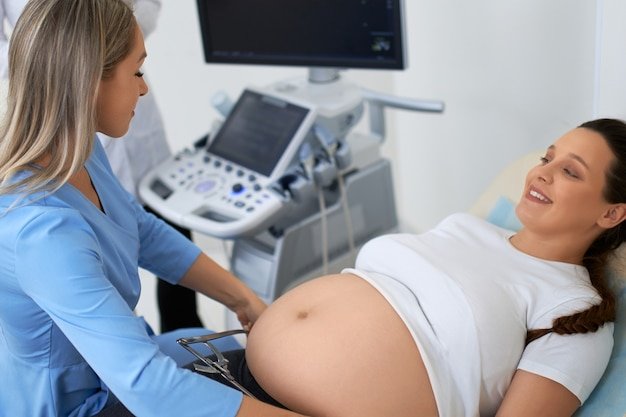
At Sanchet Hospital our diagnostic pathway combines clinical assessment, imaging, and minimally invasive visualization to confirm endometriosis and plan individualized care. Initial evaluation includes a detailed history, pelvic examination and targeted imaging (transvaginal ultrasound or MRI) to identify endometriomas or deep disease.
When imaging is inconclusive but symptoms persist, diagnostic laparoscopy — a minimally invasive procedure — allows direct visualization and simultaneous treatment; this is the gold standard for definitive diagnosis and excision of lesions (Johns Hopkins). Treatment is personalized by symptom severity, age, and fertility goals. Medical management uses analgesics, combined hormonal contraceptives, progestins or GnRH analogues to suppress lesion activity and reduce pain.
For patients prioritizing future pregnancy, fertility-preserving strategies include conservative laparoscopic excision of lesions and adhesiolysis, fertility-sparing cystectomy for endometriomas, and timely referral to reproductive endocrinology for assisted reproductive technologies when appropriate.
Sanchet’s laparoscopic program emphasizes complete excision by experienced surgeons to reduce recurrence and preserve ovarian reserve. In advanced or refractory cases, we discuss all options, including hysterectomy when indicated, ensuring shared decision-making and evidence-based counseling. For symptom education and options overview, UCSF’s patient resources are a useful supplement (UCSF Health).
Our Multidisciplinary Endometriosis Team and Patient-Centered Care Approach
Endometriosis management is most effective when care is coordinated across specialties. Sanchet Hospital’s multidisciplinary team includes gynecologic surgeons skilled in advanced laparoscopy, reproductive endocrinologists, radiologists experienced in pelvic imaging, pain-management specialists, pelvic physiotherapists, dietitians, and clinical psychologists. This team collaborates on treatment plans that align with each patient’s symptoms, fertility desires, and lifestyle priorities. Multidisciplinary case conferences ensure complex cases — such as deep infiltrating endometriosis involving bowel or bladder — receive integrated surgical planning with colorectal or urology colleagues when needed.
Our patient-centered approach emphasizes clear education about disease mechanisms, realistic expectations for medical and surgical outcomes, and shared decision-making at every step. We also focus on nonsurgical supports: pelvic floor rehabilitation to address muscle dysfunction, cognitive behavioral therapy for chronic pain coping strategies, and nutritional counseling for symptom modulation.
The goal is to improve pain control, preserve or restore fertility where desired, and minimize recurrence. Ongoing follow-up includes symptom tracking, fertility planning, and timely adjustment of therapies. Patients are given accessible educational materials and encouraged to bring partners or family to consultations to support informed decisions and continuity of care.
How to Book an Appointment, FAQs, and Local Support Resources in Paschim Vihar
Getting a consultation at Sanchet Hospital is straightforward. Simply walk-in during our Gynaecologist, Dr. Suneeta Agarwal‘s OPD hours.
At your first visit, expect a detailed medical history review, symptom inventory, pelvic exam, and a discussion of prior imaging and treatments; the clinician will outline recommended tests (ultrasound, MRI) or the role of diagnostic laparoscopy if needed.
FAQs:
- Q — How long before I get a definitive diagnosis?
- A — It varies; noninvasive tests may help, but laparoscopy is definitive.
- Q — Will surgery cure endometriosis?
- A — Excision can greatly reduce pain and improve fertility but recurrence is possible; ongoing management may be needed.
- Q — Do you offer fertility support?
- A — Yes — tailored fertility-preserving surgery and collaboration with ART specialists. Local support resources include hospital-led support groups, patient education workshops, and counseling services; community groups in Delhi and Paschim Vihar can provide peer support.
For more clinical background, see UCSF and Johns Hopkins patient guides (UCSF, Johns Hopkins). If you’re experiencing persistent pelvic pain or fertility concerns, contact Sanchet Hospital to discuss a personalized plan.
